

 EN
EN
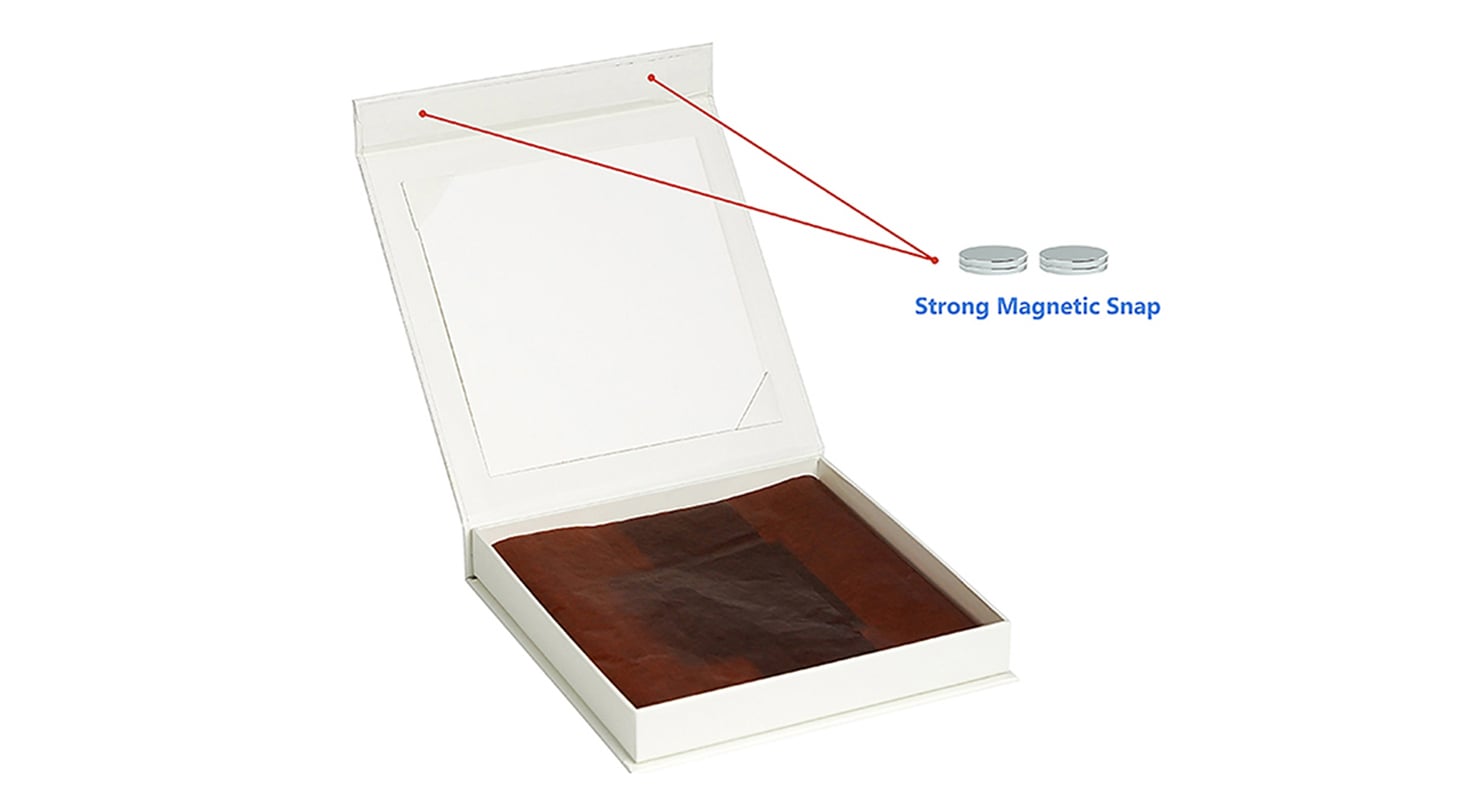
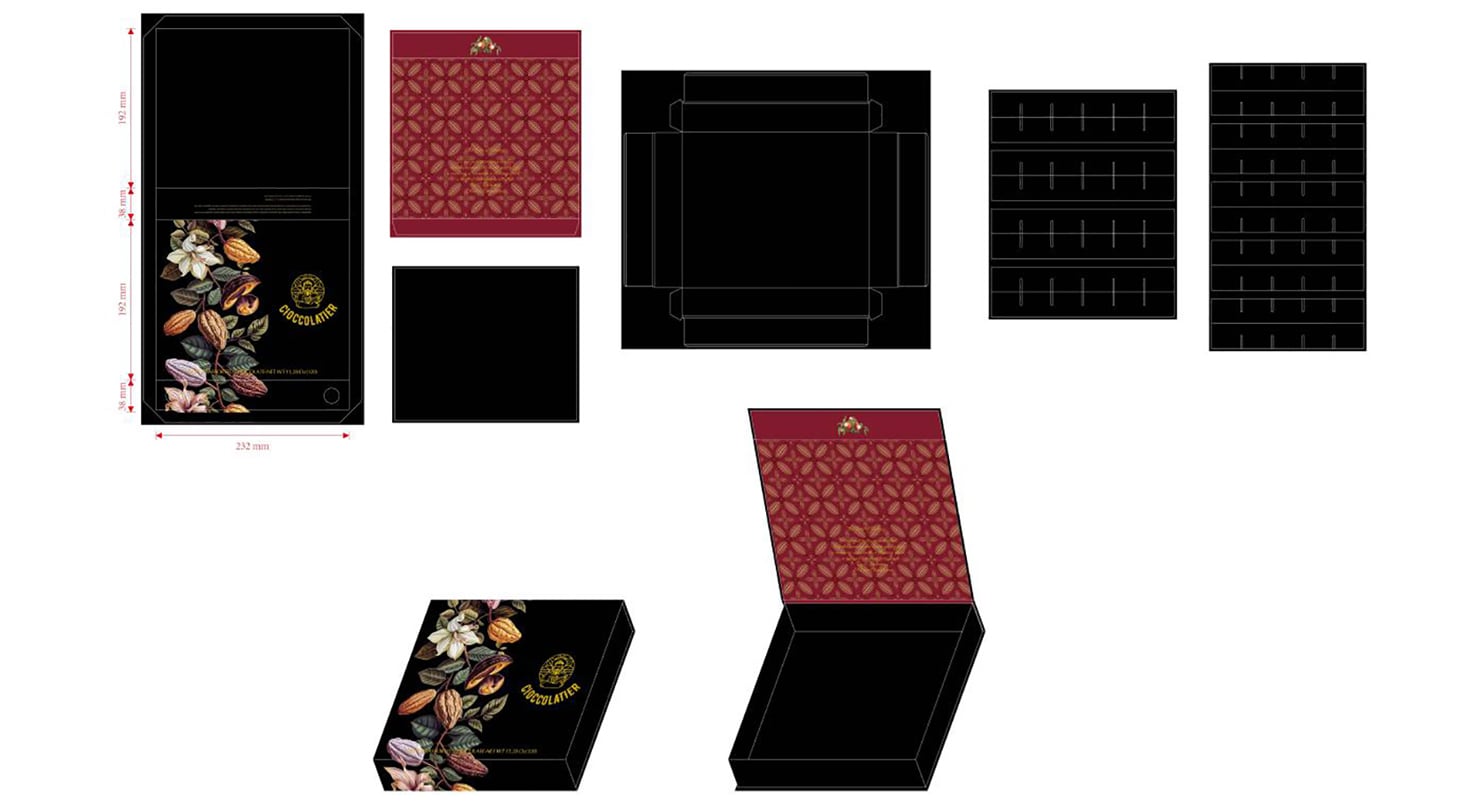
Few packaging details signal quality as quickly as the moment a lid closes on its own. A custom magnetic box - a rigid or foldable paper box fitted with concealed magnets - turns an ordinary opening into a deliberate, satisfying experience, and buyers treat that moment as evidence of the product inside.
Cygedin manufactures custom magnetic boxes for brands across the United States, the United Kingdom and the Middle East: cosmetics and skincare houses, electronics and accessory brands, jewellery and gifting suppliers, and companies that ship premium direct-to-consumer orders. This guide explains how a magnetic closure box is engineered, which structures suit which products, and how to plan production so packaging never delays a launch.
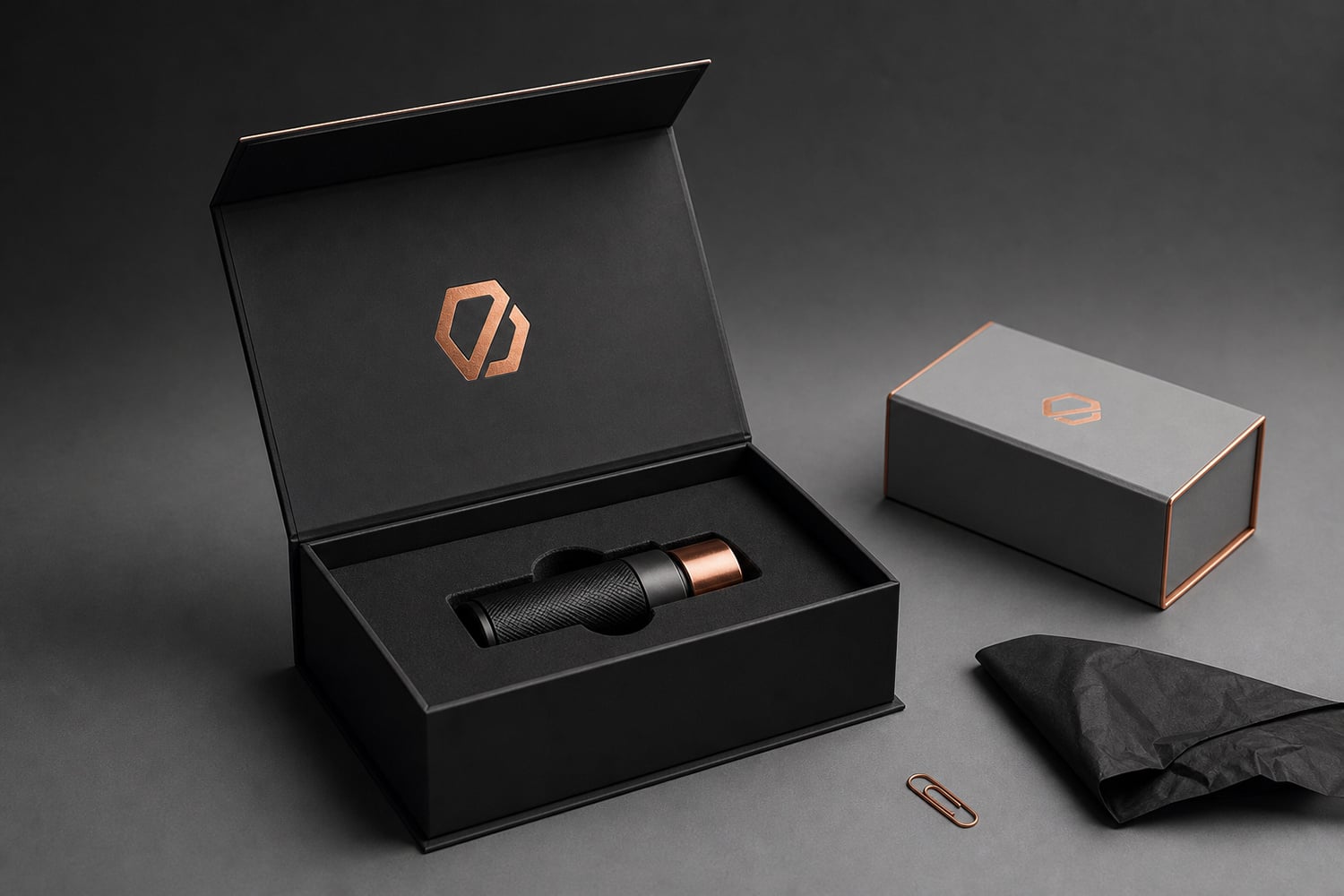
Matte black magnetic boxes with copper foil logo and hidden magnet closure.
Why Magnetic Boxes Win on the Shelf and Online
A magnetic box sets a closing lid rather than a tuck flap. That single difference changes how customers perceive the product: the box feels solid, opens repeatedly without losing shape, and keeps its appearance after many uses, which matters for anything the customer keeps on a desk, a dresser or a shelf.
The commercial effect is measurable. Because a magnetic gift box holds its structure, it survives shipping better than a glued carton, so returns tied to crushed or scuffed packaging fall. Because it reopens cleanly, it supports unboxing content on social media, which is now one of the main ways premium brands earn organic reach.
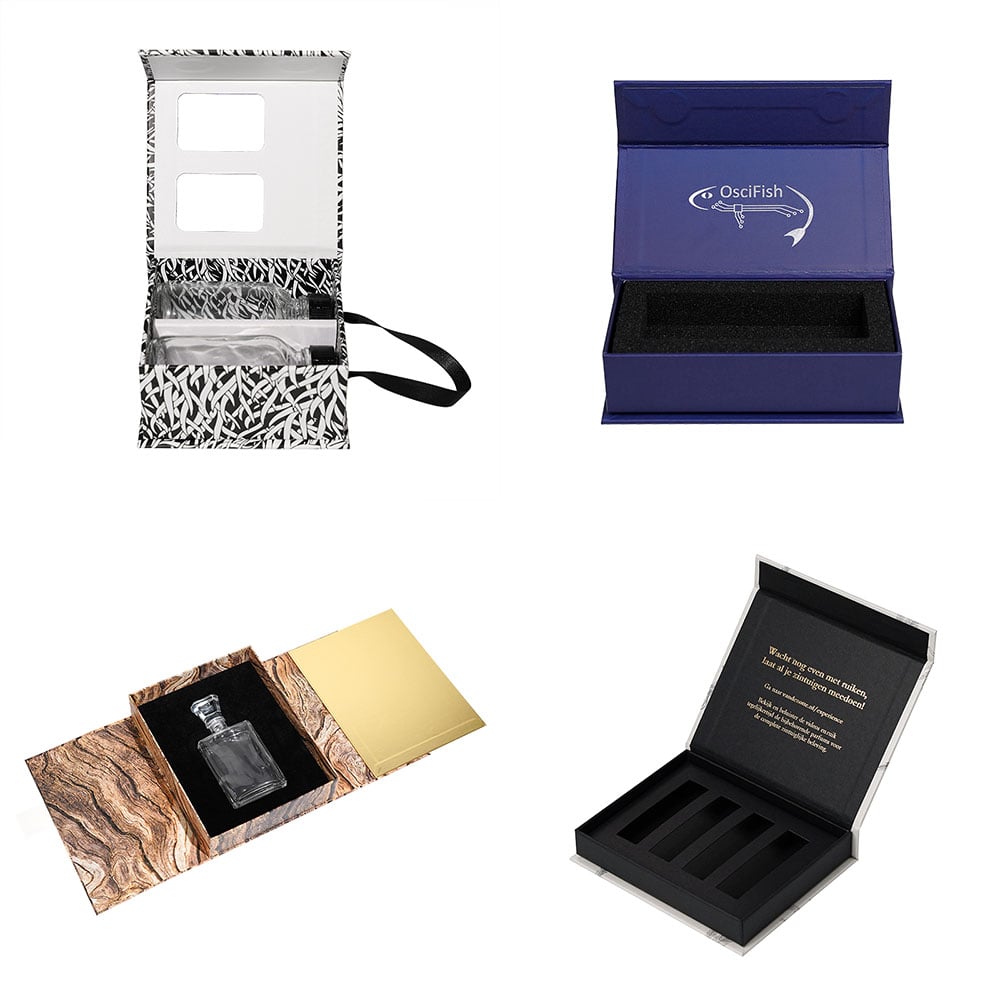
Magnetic boxes also suit a very wide range of products. The same construction that presents a perfume flacon can hold skincare sets, headphones, watches, small electronics, candles, tea collections or corporate gifts. Brands that adopt one magnetic platform and vary the print and insert across a range get consistent shelf presence without re-engineering every SKU.
How a Magnetic Closure Box Is Engineered
A box with magnetic closure is built from three elements that must be specified together: the board, the wrap and the magnet. The base is normally greyboard, from 1.5 mm for compact boxes up to 3 mm or more for large presentation boxes, because thickness is what the customer feels as rigidity.
The magnets are concealed between the board and the wrapped paper layer. Their placement is the most common source of quality problems in cheap packaging. If the magnet sits too close to the edge, the lid pulls away; if the pair is misaligned, the lid closes unevenly. Precision placement, using neodymium magnets sized to the lid area, produces the firm, even snap customers expect from a luxury magnetic box.
The wrap does more than carry artwork. It hides the magnet, protects the board edge and determines how the box wears over time. A soft-touch matte lamination hides fingerprints on dark boxes; a textured paper adds grip and depth; and for products shipped in humid conditions, a laminated wrap prevents the board from warping.
Finally, the closure gap needs to be specified. A lid that closes flush looks elegant but can scuff at the edge; a small, consistent reveal protects the print and opens more easily. Our structural team sets this tolerance during sampling so that the first prototype closes the way the production run will.
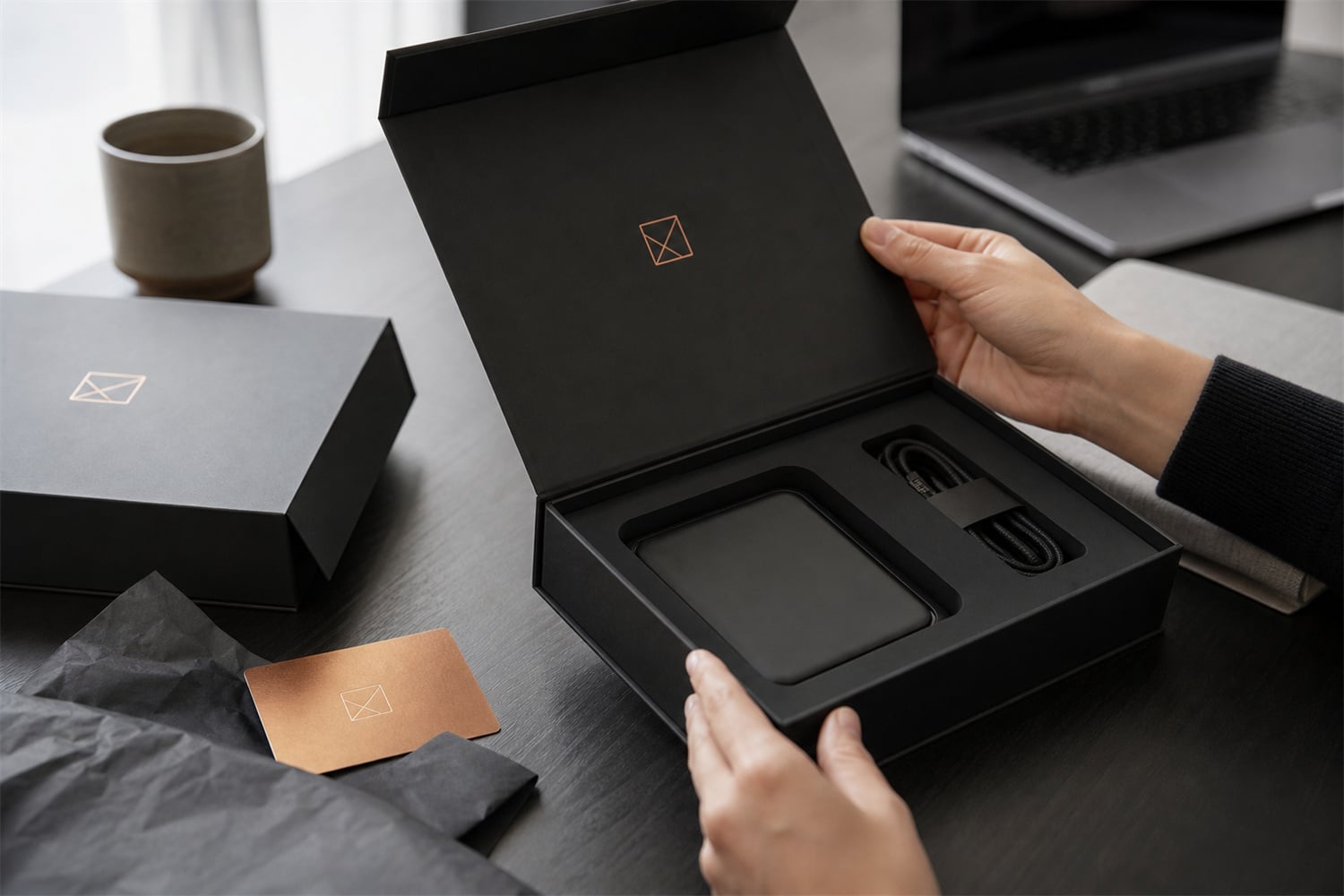
Opening a magnetic closure box on a modern desk.
Rigid, Foldable and Gift Box Variations
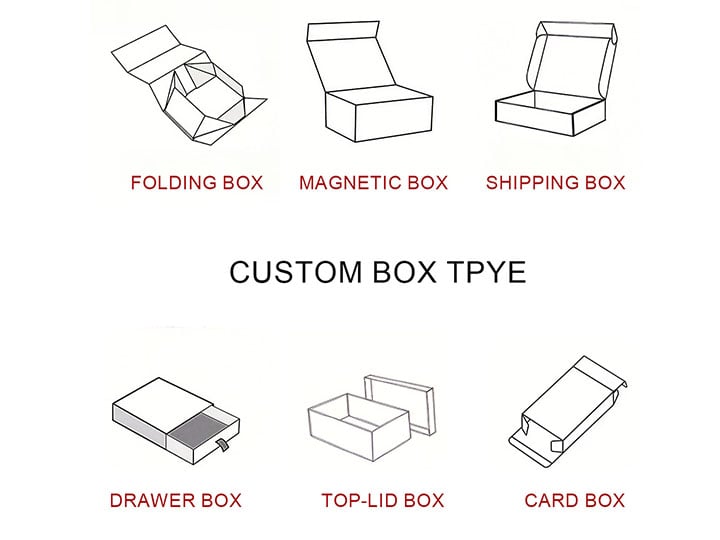
Magnetic packaging is not a single product. The three structures we build most often solve different problems, and choosing correctly early saves both cost and time.
A rigid magnetic box is delivered assembled, with a thick board base and a wrapped lid. It is the standard choice for retail, gift sets and any product where weight and solidity communicate value. It offers the strongest surface for foil stamping and the most stable base for heavy inserts.
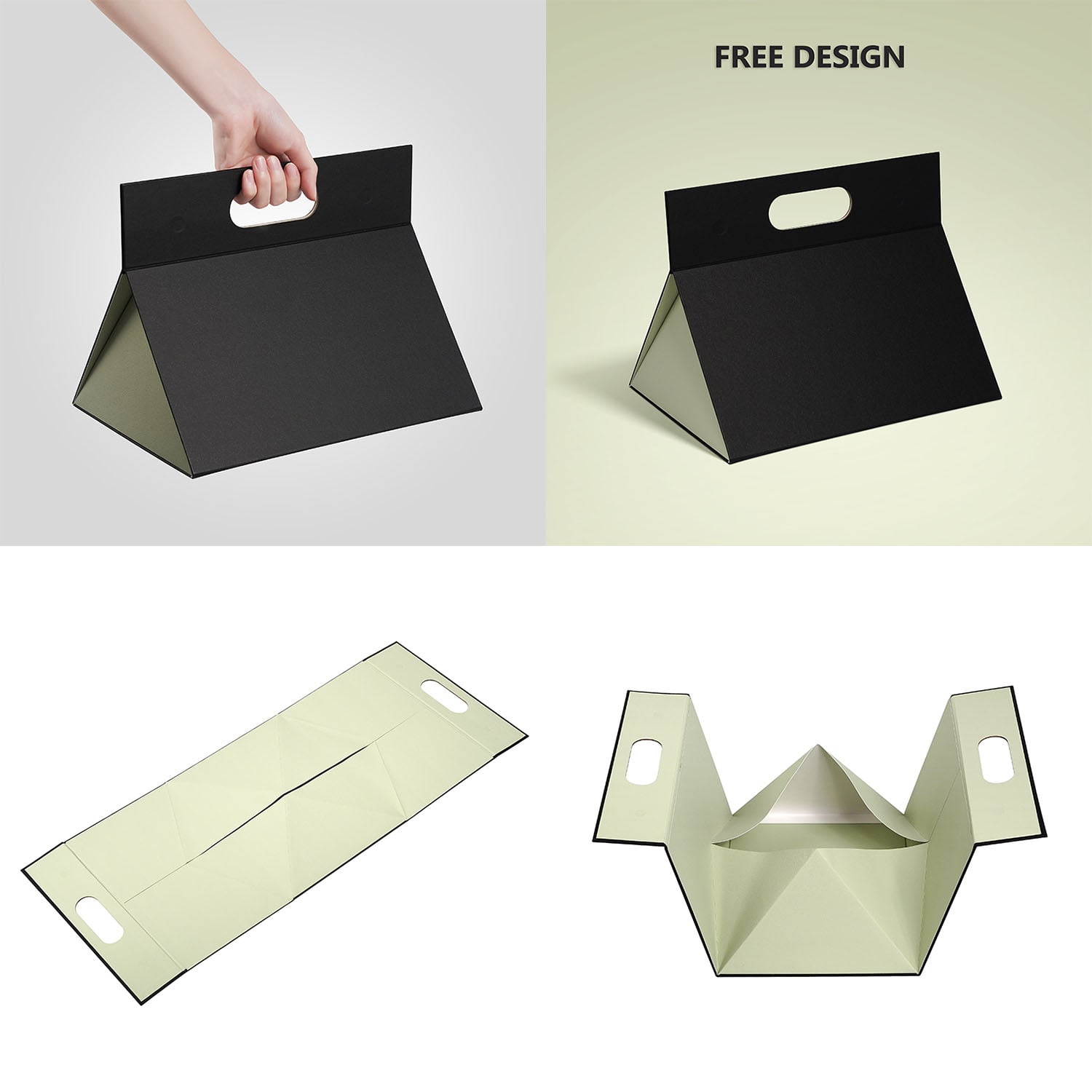
A foldable magnetic gift box ships flat and is folded on arrival, and the magnet is built into the fold. This structure is popular with e-commerce brands because it cuts freight volume dramatically - more boxes per carton, lower shipping cost per unit - while still delivering the snap of a magnetic closure. It is an excellent fit for direct-to-consumer orders where the customer assembles the box once.
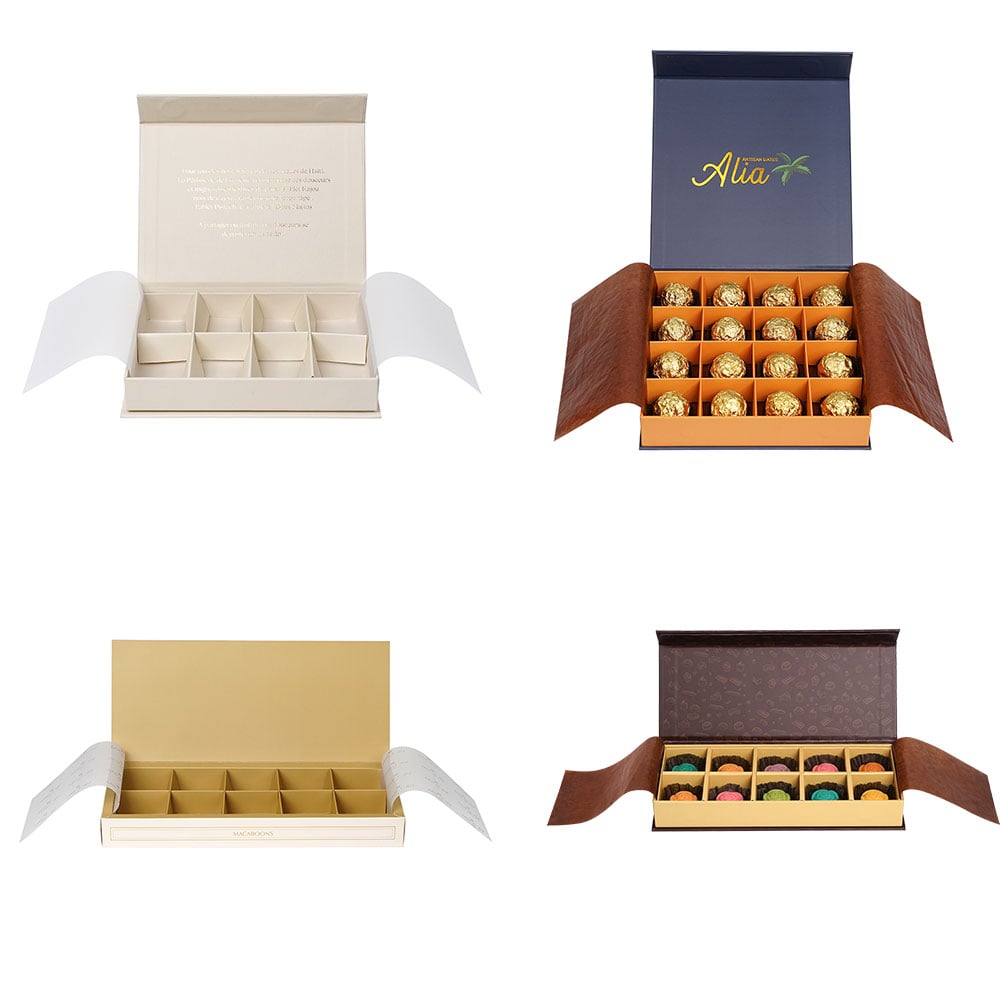
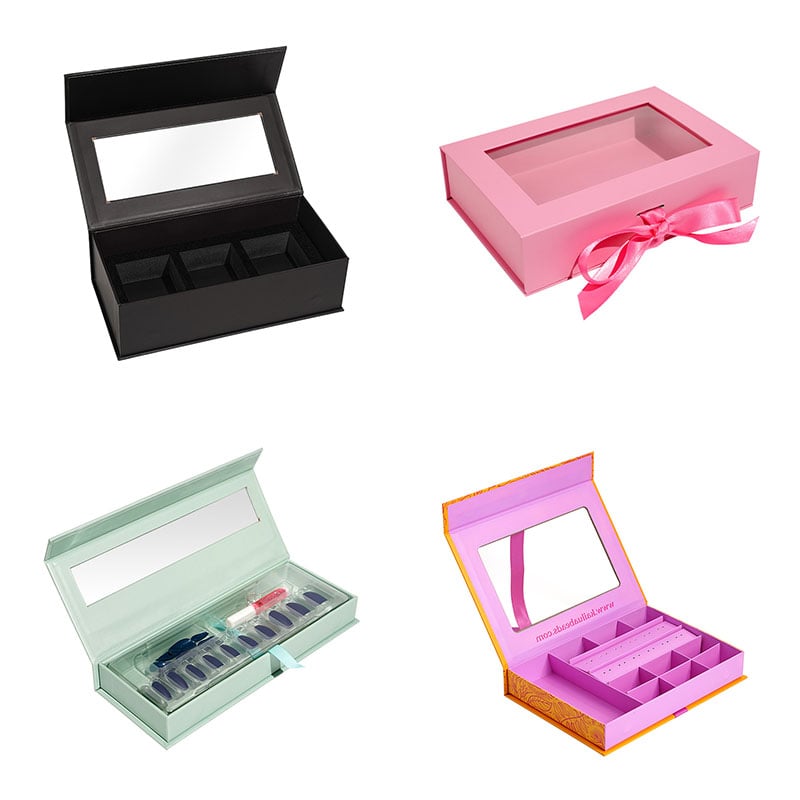
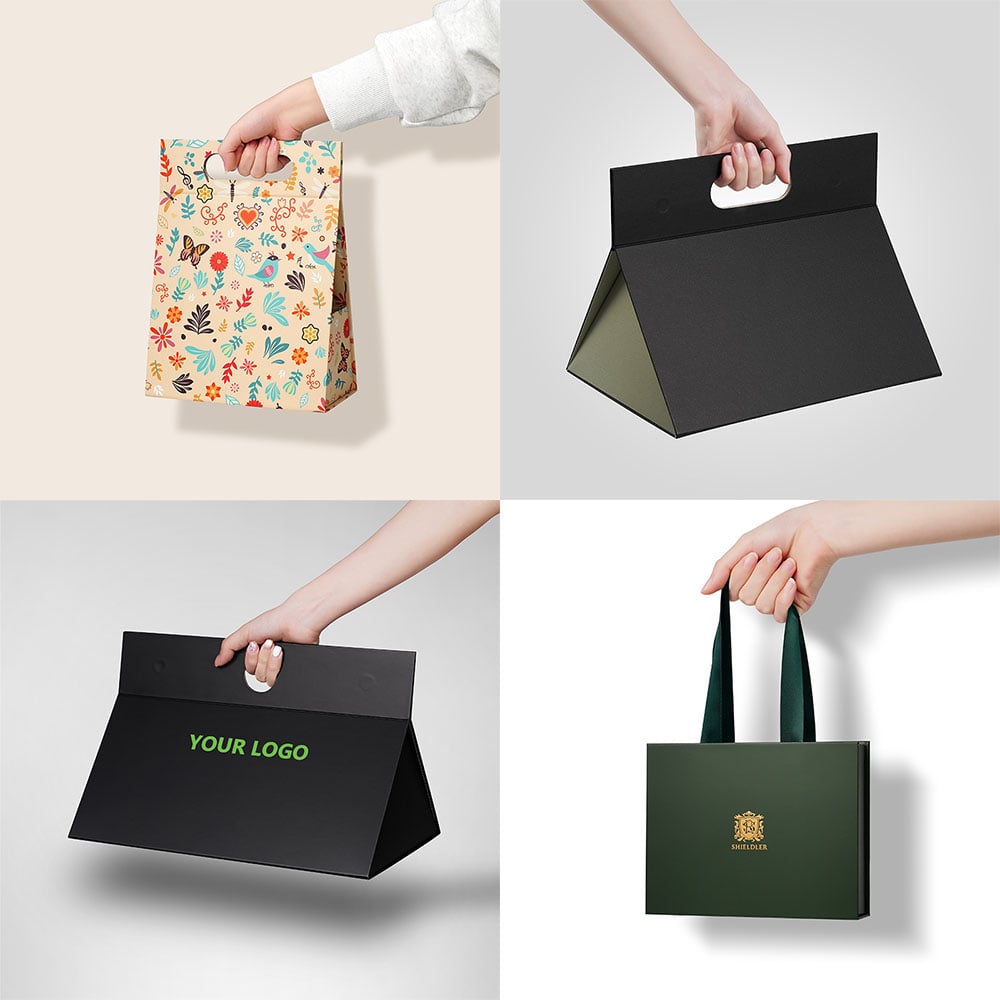
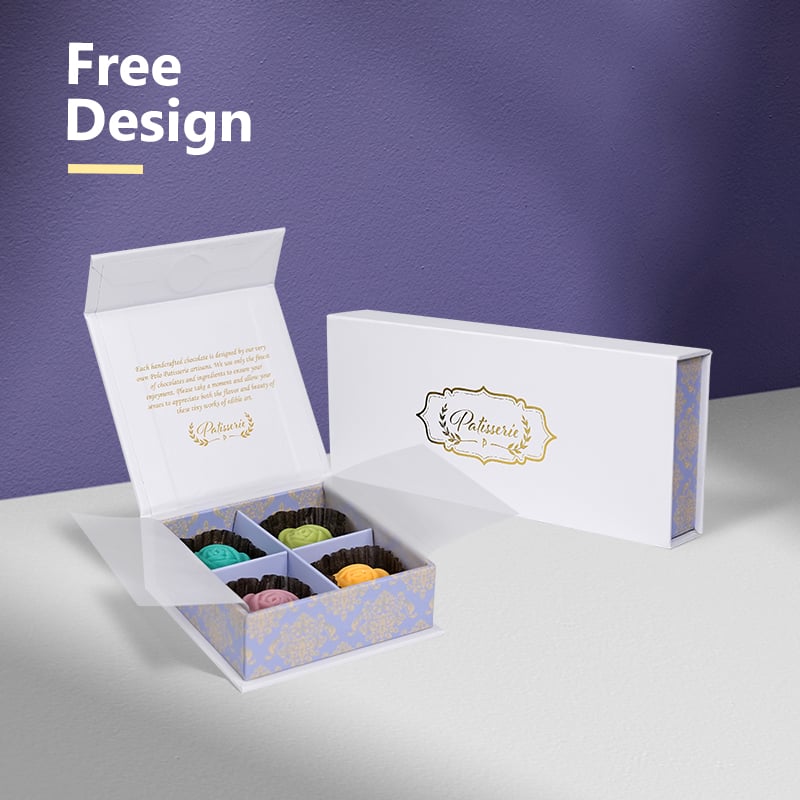
Between those two extremes, gift box formats vary by size, rotation and interior: single-product boxes, multi-cavity sets, drawer-in-sleeve versions with a magnetic sleeve flap, and magnetic luxury gift box designs with a ribbon pull. The structure should follow the product and the sales channel, not the other way around.
Inserts, Interiors and Product Protection
A magnetic box is only as good as what holds the product inside. Without a proper insert, contents shift during transit, scuff the interior print and arrive looking handled rather than new.
Die-cut inserts are the most reliable solution. Rigid magnetic boxes commonly use EVA foam, molded pulp or laminated paperboard trays cut to the exact footprint of the product, with finger notches so customers can lift items out without turning the box upside down. For multi-piece sets, each cavity is separated so components cannot contact one another.
The interior is also a branding surface. Printed liners, contrasting paper colours, a ribbon tab or a debossed logo inside the lid all raise perceived value at low incremental cost, and they give customers a reason to photograph the box before using the product.
Sustainability requirements should be decided at the same time as the insert. Recycled greyboard, FSC-certified paper wraps, paper-based insert trays and water-based adhesives are all available, and they combine without difficulty with foil stamping or soft-touch lamination for brands that need both a premium finish and a recyclable specification.
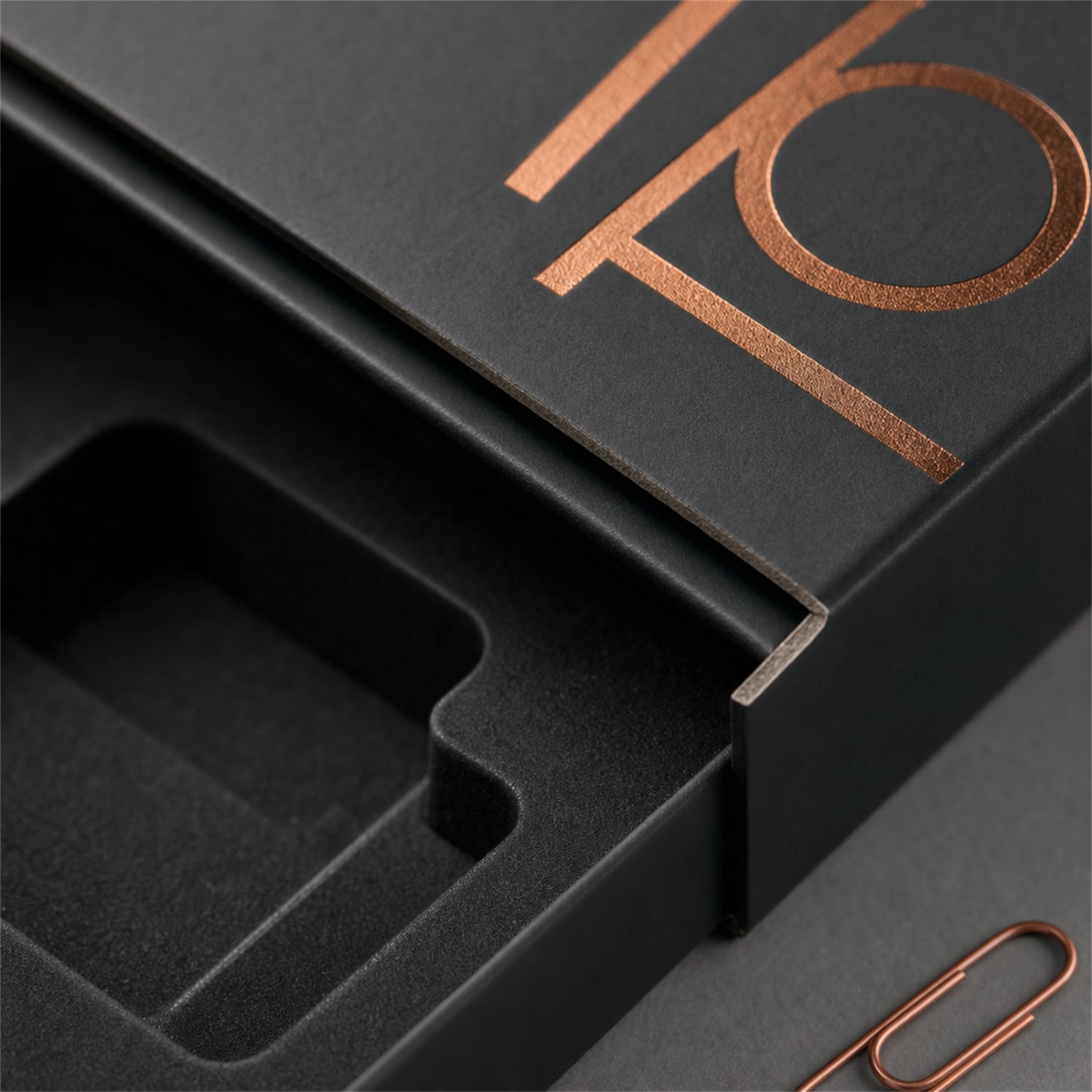
Magnet closure edge, copper foil logo and rigid board thickness detail.
Finishing, Branding and Production Planning
With structure and insert fixed, finishing determines how the box reads under retail lighting and on a product page. Foil stamping remains the most requested treatment: a copper, gold, silver or coloured foil logo on a matte black or deep-toned surface creates the contrast that reads as luxury in a photograph.
Spot UV adds gloss to a logo or pattern without adding colour, and embossing gives the brand mark a tactile dimension that photographs well in close-up. Custom logo treatments can be applied to the lid, the base, the spine and the insert, which is how brands build a recognisable family across several box sizes.
Production planning follows the same logic as any premium packaging programme. Structural design and artwork should be approved about ten to fourteen weeks before goods are needed, samples checked eight to ten weeks out, and bulk production completed six to eight weeks before the ship date. That window covers sample rounds, board mounting, magnet insertion and international freight.
The most common schedule risk is late artwork: because the magnet position, the lid reveal and the insert geometry all depend on the final layout, a late design change forces new tooling. Locking artwork early is the single most effective way to keep a magnetic box programme on time and on budget.
Frequently Asked Questions
Q: What is a magnetic box used for?
A: Magnetic boxes are used for premium retail and gifting across many categories: cosmetics and skincare sets, perfume, jewellery, electronics and accessories, candles, tea and coffee collections, and corporate gifts. Any product that benefits from a solid, reusable box and a deliberate unboxing moment is a good candidate.
Q: What is the difference between a rigid magnetic box and a foldable one?
A: A rigid magnetic box arrives fully assembled with a thick greyboard base, giving maximum weight and shelf presence. A foldable magnetic gift box ships flat and is folded by the user, which cuts freight volume and cost per unit while still providing a magnetic closure. Rigid suits retail display; foldable suits e-commerce and cost-sensitive programmes.
Q: How thick should the board be for a magnetic box?
A: As a general rule, compact boxes from about 150 mm use 1.5 to 2 mm greyboard, medium presentation boxes use 2 to 2.5 mm, and large or heavy-duty boxes use 3 mm or more. The right thickness depends on the product weight, the box size and how solid the lid needs to feel in the hand.
Q: Can magnetic boxes be recycled?
A: Yes, with the right specification. Recycled greyboard, FSC-certified paper wraps, paper-based insert trays and water-based adhesives produce a widely recyclable box. The magnets must be removed before pulping, so we design the closure so the magnet assembly is easy to separate in the recycling stream.
Q: What is the minimum order and lead time for custom magnetic boxes?
A: Cygedin supports low minimum order quantities suitable for new product launches and market testing. After artwork confirmation, sampling typically takes 5 to 7 business days and bulk production 10 to 20 business days depending on structure, finishing and quantity. For holiday or gifting seasons we recommend booking production 6 to 8 weeks before the goods must ship.
Conclusion
A custom magnetic box turns packaging into part of the product. The concealed magnets, the rigid board and the fitted insert work together to protect the contents, present them deliberately, and give customers a box worth keeping - which is exactly what premium retail and direct-to-consumer brands are buying.
Cygedin manufactures magnetic boxes, magnetic gift boxes, rigid magnetic boxes and foldable magnetic gift boxes with inserts, foil stamping, embossing and soft-touch finishing, supporting brands in the USA, UK, Europe and the Middle East from structural design through export delivery.
If you are planning a new product line, refreshing a gift set or preparing for a peak gifting season, contact Cygedin today for custom magnetic box pricing and structural design support tailored to your product range.