
 EN
EN
Packaging Materials & Finishes Deep Dive: Kraft, Cardboard, Gloss, Matte, Embossing & Specialty Techniques
Understanding packaging materials and finishes is the difference between a box that merely contains and a box that captivates. This deep-dive guide covers every major material type and finishing technique used in modern box manufacturing, from basic kraft paper to advanced multi-process combinations.
Figure 1: Material and Finish Sample Board — Kraft, Gloss, Matte, Soft-Touch, Embossing
> Placement: After the introduction paragraph
Kraft Box & Kraft Paper: The Eco-Friendly Standard
Kraft paper (1000 exposure index, 3.88% CVR) and kraft boxes (406 exposure, 4.48% CVR) represent the growing sustainable packaging movement. Kraft paper is made from wood pulp using the kraft process, which produces a stronger, more durable paper than standard processes. The natural brown color comes from minimal bleaching, giving kraft its distinctive earthy appearance.
Kraft box advantages: inherently recyclable and biodegradable; natural appearance communicates eco-consciousness without greenwashing; lower cost than coated papers (approximately 15-25% savings); excellent printing surface for simple, bold designs (screen printing and foil stamping work particularly well on kraft); and availability in various weights from lightweight (80gsm) to heavy board (400gsm+).
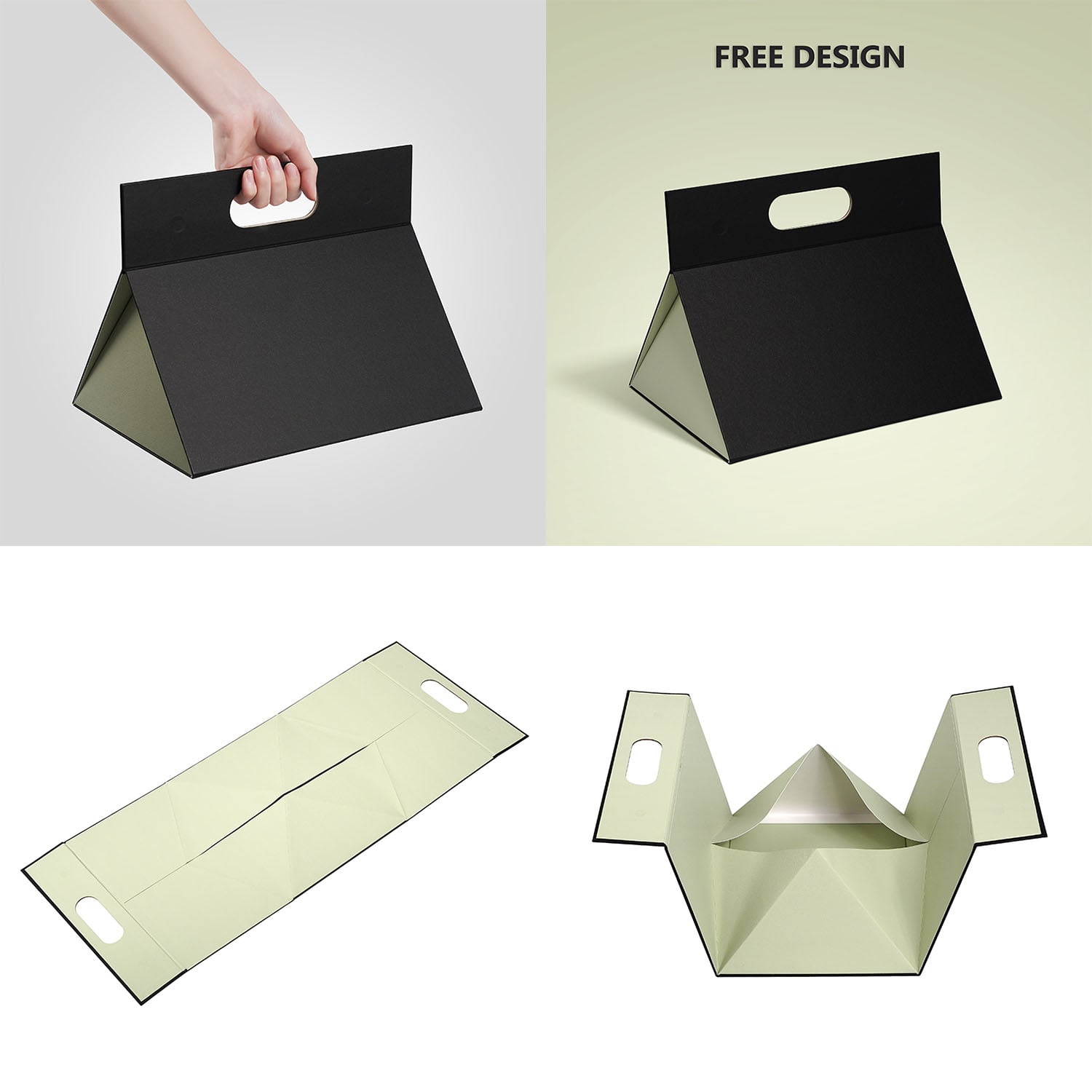
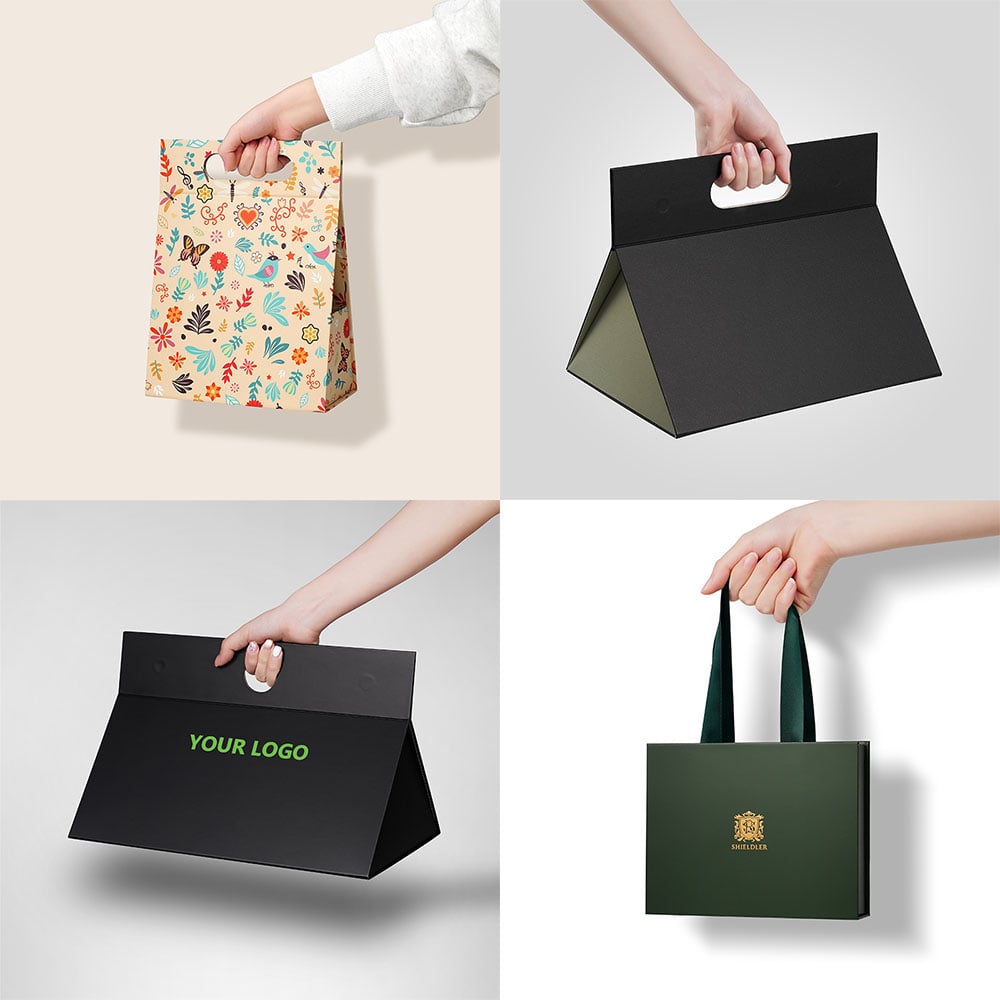
At CyGedin, kraft boxes are available in folding carton, rigid box, and corrugated constructions. We offer white kraft (bleached) for a cleaner look, natural brown kraft for the classic eco-aesthetic, and black kraft for premium sustainable packaging.
Cardboard Box vs Paperboard Box vs Card Box
These terms are frequently confused. "Cardboard box" (668 exposure, 3.98% CVR) generally refers to corrugated boxes — the brown boxes with visible wavy inner layer used for shipping. "Paperboard box" (96 exposure) is the technically correct term for single-layer board used in retail packaging — cereal boxes, cosmetic cartons, etc. "Card box" (575 exposure, 1.88% CVR) is an ambiguous term that can refer to either playing cards packaging, small folding cartons, or greeting card boxes depending on context.
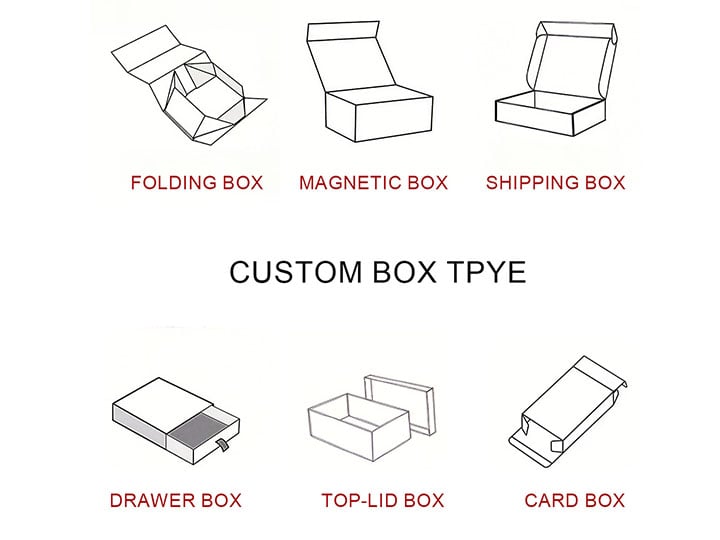
For B2B buyers, using the correct terminology when communicating with Chinese manufacturers prevents misunderstandings. Specify: "corrugated box" for shipping boxes, "folding carton" for retail product boxes, and "rigid box" for luxury set-up boxes.
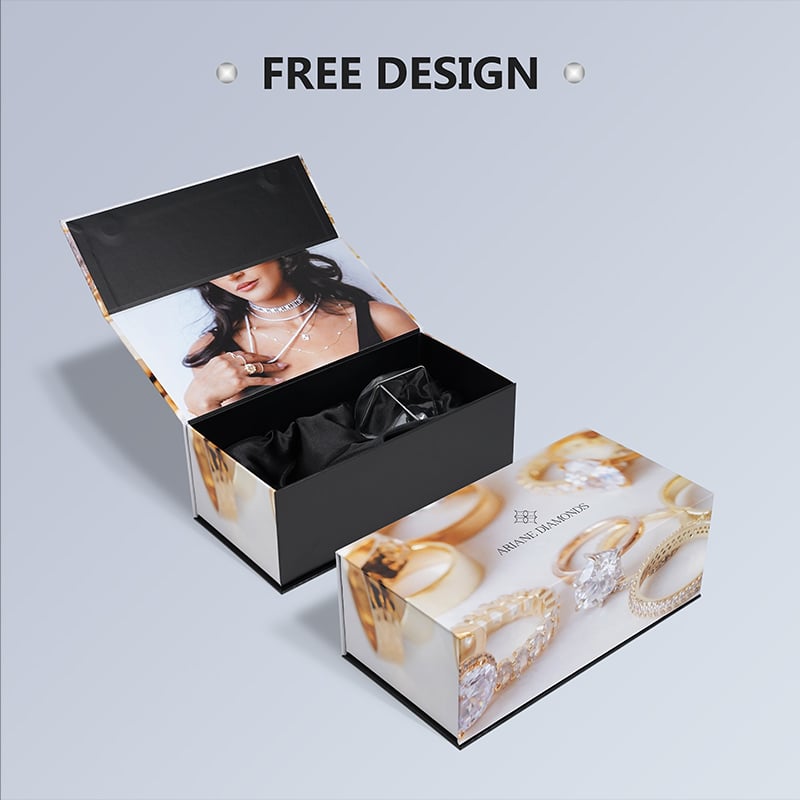
Figure 2: Material Thickness Comparison — Corrugated, Folding Carton, Rigid Board
> Placement: After explaining material terminology
Paper Boxes: The Industry Backbone
With maximum 1000 exposure index, "paper boxes" is a category-level keyword covering the entire non-plastic, non-wood box market. Paper boxes are manufactured from paperboard, corrugated board, or rigid chipboard, and represent the most versatile and sustainable packaging material class. Key advantages: recyclable and biodegradable; printable with full-color, high-resolution graphics; available in countless structural configurations; lightweight compared to wood or metal alternatives; and cost-effective at scale.
Surface Finishes: The Visual Language of Packaging
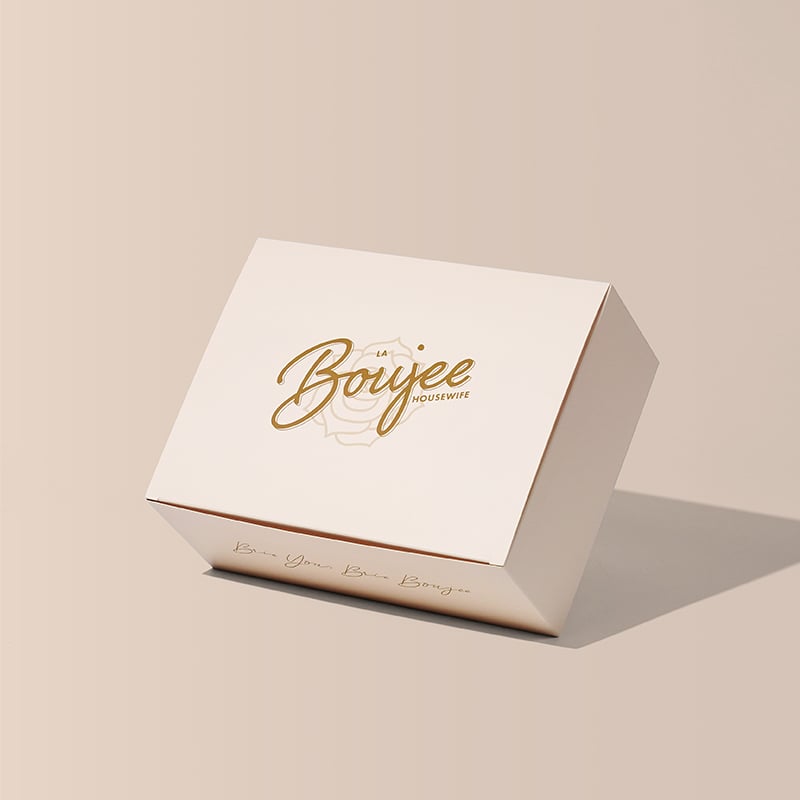
Figure 3: Side-by-Side Finish Comparison — Gloss vs Matte vs Soft-Touch vs Spot UV
> Placement: Before describing specific finishes
Glossy Box: Vibrant, Eye-Catching, Retail-Ready
Gloss lamination (glossy box, 136 exposure) creates a shiny, reflective surface that makes colors appear more vibrant and saturated. It is the most common lamination finish for retail packaging because it maximizes shelf visibility. The glossy surface also provides some water resistance and durability. Trade-off: glossy surfaces show fingerprints and scratches more obviously than matte finishes.
Matte Box: Sophisticated, Subtle, Premium
Matte lamination (matte box, 134 exposure) creates a non-reflective, elegant surface. This finish has become the preferred choice for luxury and premium brands in beauty, fashion, and high-end food packaging. The matte surface hides minor scratches and fingerprints better than gloss and communicates understated sophistication.
Soft-Touch (Velvet) Coating
While not directly appearing as a standalone keyword, soft-touch coating deserves mention as it is increasingly popular. This special coating creates a velvety, suede-like texture that consumers instinctively want to touch. It elevates the perceived value of cosmetics packaging, premium electronics boxes, and luxury gift packaging.
Spot UV
Spot UV (box with uv keyword) selectively applies glossy UV coating to specific areas of a matte background, creating dramatic contrast. For example, a logo in high-gloss spot UV against a matte black background creates a stunning visual effect that cannot be achieved with standard printing alone. Spot UV is cost-effective for adding premium touches without the expense of foil stamping.
Embossing, Debossing & Gold Stamping: Tactile Dimension
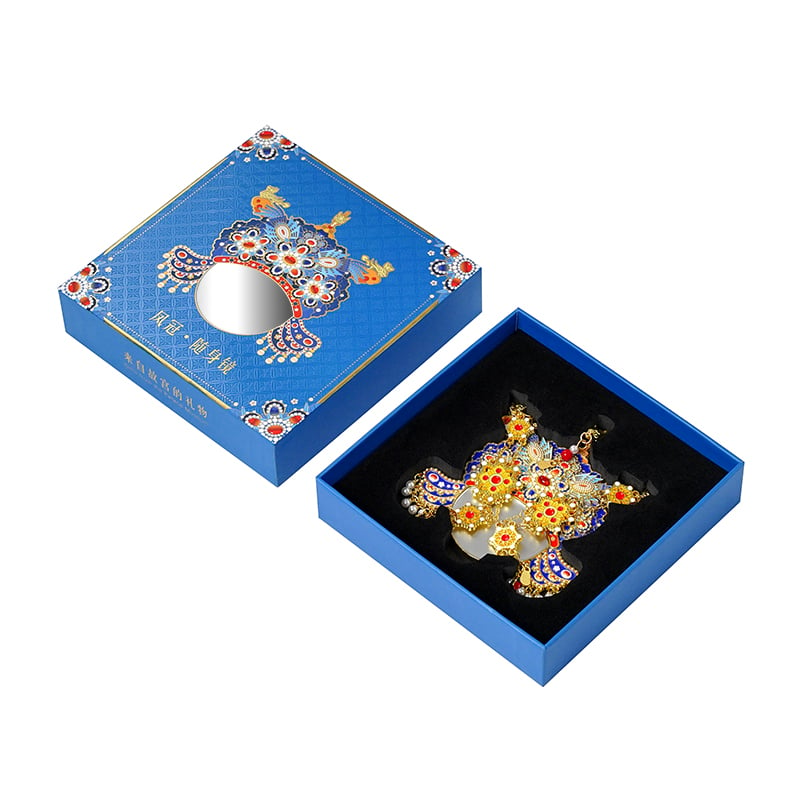
Figure 4: Close-Up Detail — Embossed Logo vs Gold Foil Stamping on Rigid Box
> Placement: In the embossing/debossing section
Embossed box (161 exposure) refers to boxes with raised designs created by pressing the paperboard between male and female dies under heat and pressure. Debossing creates the inverse — recessed designs pressed into the surface. Both techniques add tactile dimension that customers can feel, making packaging more memorable and premium.
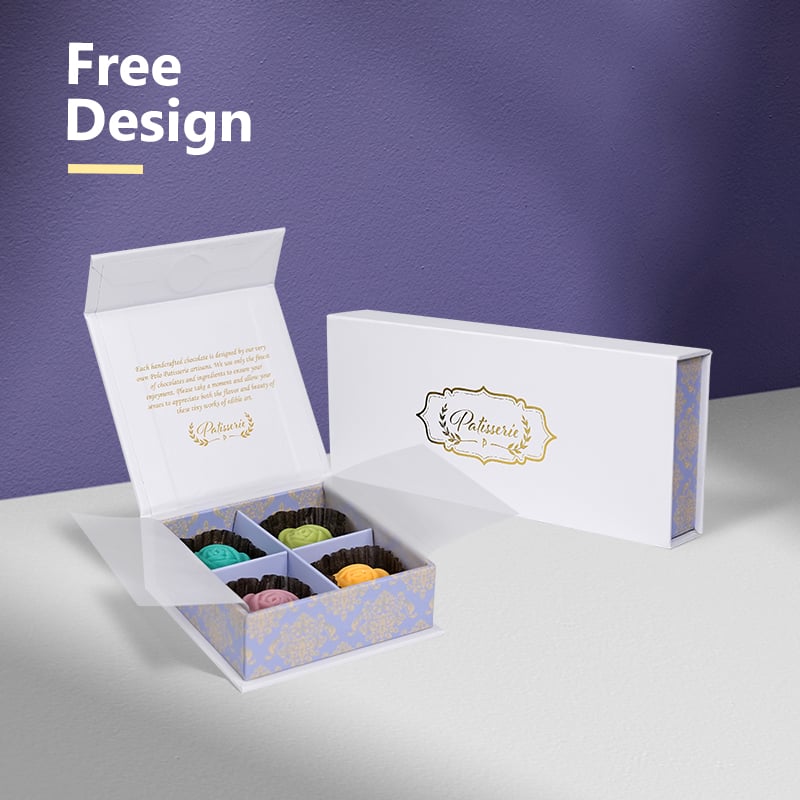
Gold stamping box (hot foil stamping) applies metallic foil (gold, silver, rose gold, copper, holographic) to the box surface using a heated die. This creates brilliant metallic accents that cannot be replicated by standard printing. Foil colors available at CyGedin include: classic gold, bright silver, rose gold, copper, holographic rainbow, matte gold, and custom Pantone-matched foil colors for large-volume orders.
Multi-process combinations (e.g., embossing + gold foil on matte black) create the highest perceived value but add $0.20-$0.80 per unit depending on complexity. For luxury brands, this investment typically delivers ROI through higher product pricing and increased perceived value.
Material and Finish Selection Flowchart
Follow this decision framework: Step 1 — Determine box structure (rigid vs folding vs corrugated) based on product weight and protection needs. Step 2 — Select base material (coated art paper, kraft, specialty paper, fabric wrap) based on brand aesthetic. Step 3 — Choose primary finish (gloss for retail, matte for luxury, kraft for eco) based on brand positioning. Step 4 — Add secondary processes (foil, spot UV, embossing, window) based on budget and brand requirements. Step 5 — Order samples to verify the combination in physical form before final approval.
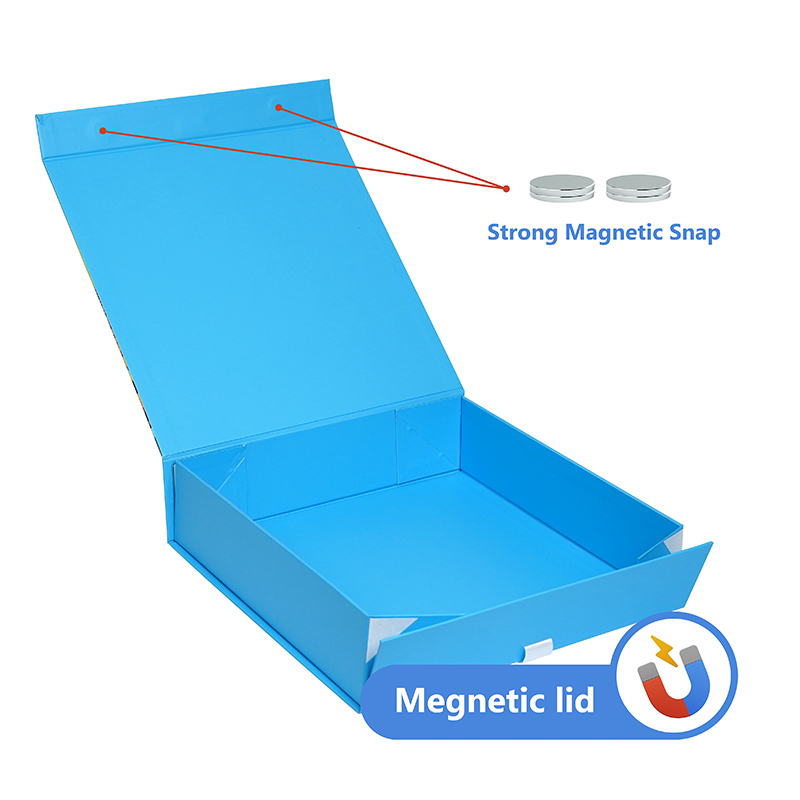
Figure 5: Finish Combination Examples — Multi-Process Premium Box Samples
> Placement: After the selection flowchart section
Cost Comparison: Material and Finish Options
| Finish Type | Cost Impact | Best Application | Durability | Premium Perception |
| Gloss Lamination | Base price | Retail, mass market | Good | Standard |
| Matte Lamination | +5% vs gloss | Luxury, beauty, fashion | Good | High |
| Soft-Touch Coating | +15-20% | Premium cosmetics, gifts | Moderate | Very High |
| Spot UV | +10-15% | Logo highlight, accents | Good (UV areas) | High |
| Foil Stamping | +15-25% | Luxury, certificates | Excellent | Very High |
| Embossing/Debossing | +10-20% | Logo, patterns | Excellent | High |
| Window Cutout | +10-15% | Product display | Moderate | Medium-High |
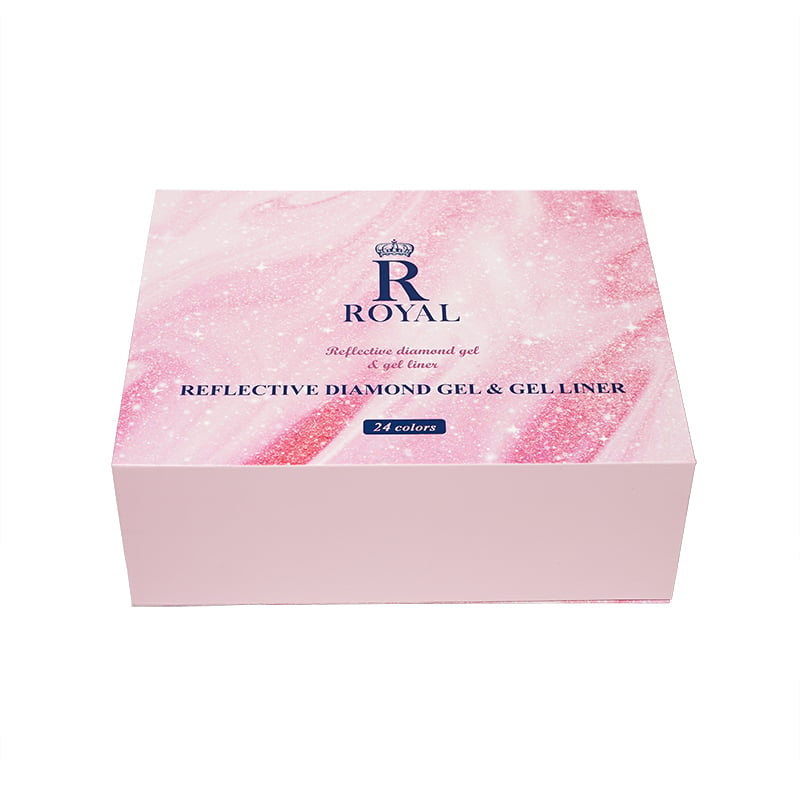
Figure 6: CyGedin Finishing Department — Hot Foil Stamping Machine in Operation
> Placement: In the production capabilities section
CyGedin Material and Finish Capabilities
Our Shenzhen factory is equipped with Heidelberg offset printing presses, fully automated lamination lines, hot foil stamping machines, embossing/debossing presses, spot UV application systems, and die-cutting and window-patching equipment. This comprehensive in-house capability means faster turnaround, tighter quality control, and competitive pricing without outsourcing markups.
Request a Material Sample Kit
Figure 7: CyGedin Material Sample Kit — Feel the Difference
> Placement: Before the CTA
The best way to understand materials and finishes is to experience them physically. Contact CyGedin at to request a free material sample kit shipped to your address. Our kit includes swatches of all paper types, finish samples (gloss, matte, soft-touch, spot UV), foil color swatches, and embossing/debossing sample cards.
—
CyGedin (Shenzhen Cygedin Package Ltd) | FSC & ISO Certified Packaging Manufacturer
Web: www.cygedin.com
Shenzhen, China | Worldwide Shipping